What Are the 2026 Top Rucksack Backpack Trends?

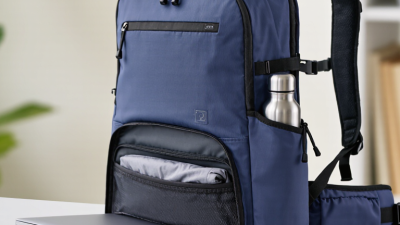
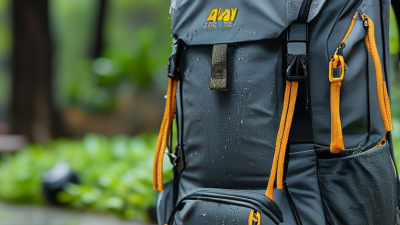
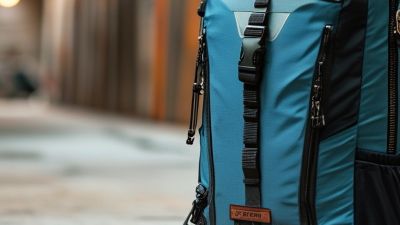
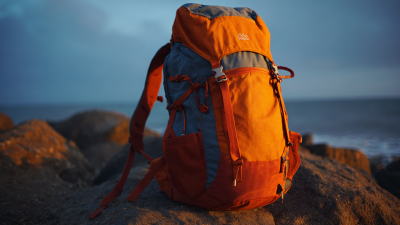
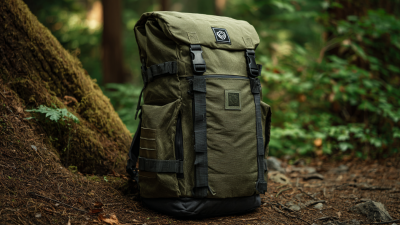
What Are the 2026 Top Rucksack Backpack Trends? The answer begins with a practical question: what will people genuinely carry every day? In 2026, buyers are expected to seek lighter materials, stronger weather resistance, and smarter organization. A modern Rucksack Backpack may combine recycled nylon, repairable buckles, padded laptop protection, and modular side pockets. Small details will matter. A wet jacket should have a separate compartment. A heavy camera should not pull the shoulder straps backward.

Backpacking educator and author Andrew Skurka offers a useful standard: “The goal is not to carry as little as possible, but to carry as little as possible while still being safe, comfortable, and efficient.” His principle remains relevant to future design. Brands may promote ultralight frames, expandable storage, and recycled fabrics. Yet lower weight alone does not guarantee comfort. Designers must test shoulder pressure, hip-belt stability, zipper durability, and ventilation in real conditions. Office commuters, hikers, students, and travelers will need different solutions. One shape cannot serve everyone.

Not every trend deserves applause. Some “smart” features may add weight, battery dependence, or unnecessary cost. This is where careful comparison becomes essential. Reliable reviews should explain materials, stitching, load limits, warranty terms, and repair access. The strongest 2026 Rucksack Backpack trends will likely balance sustainability with long-term performance. That balance is difficult. It may also be the most honest direction for the industry.
What Are the 2026 Top Rucksack Backpack Trends?

Global 2026 Rucksack Demand: Grand View Research Market Forecasts

What Are the 2026 Top Rucksack Backpack Trends?

Global rucksack demand is moving toward practical, lightweight, and digitally adaptable designs. Grand View Research estimates the global backpack market reached about USD 20.3 billion in 2023, with a projected 6.0% CAGR from 2024 to 2030. Although rucksacks represent only part of this category, the forecast signals steady demand rather than a short-lived fashion spike.

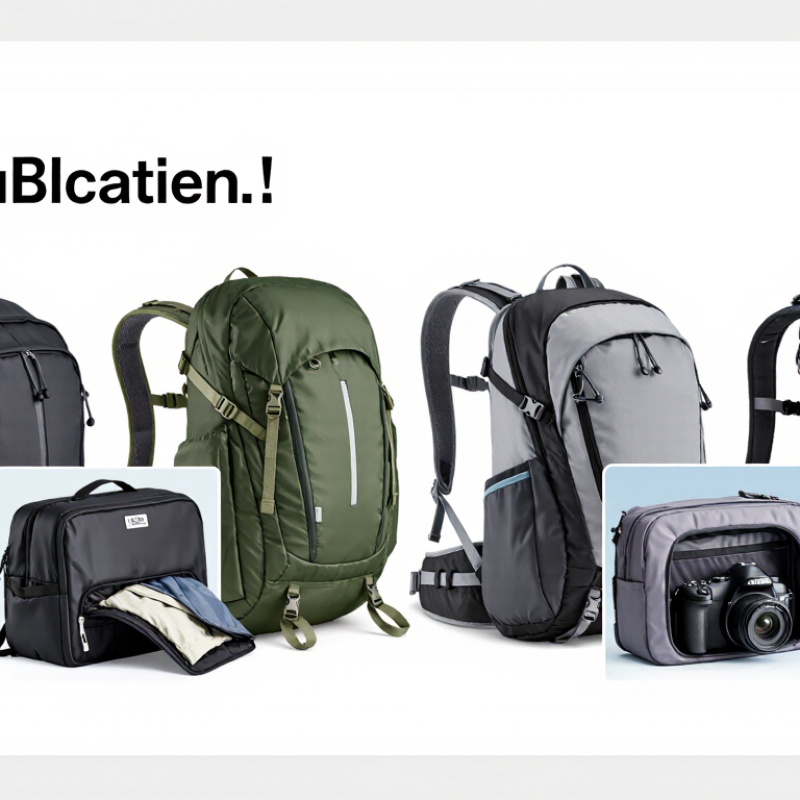
Mordor Intelligence reports a faster potential path, estimating the backpack market could approach USD 29 billion by 2030. Different research methods explain the gap. Forecasts are not promises. Still, both reports support stronger interest in durable daily-carry products. In 2026, buyers may favor recycled fabrics, weather-resistant coatings, padded laptop sections, and expandable storage. A commuter might carry a laptop, gym shoes, a lunch box, and a compact umbrella in one structured bag. That detail matters.

Travel demand may also encourage roll-top closures, hidden pockets, and breathable back panels. Research and Markets identifies travel, school, and outdoor use as important backpack demand areas. However, sustainability claims require careful checking. Recycled content alone does not prove a lower total impact. Materials, repairability, product life, and disposal also matter. I would treat “eco-friendly” labels cautiously, because the market still lacks consistent consumer understanding.

Ergonomic Carry Systems: Load-Distribution Findings for 2026 Designs

What Are the 2026 Top Rucksack Backpack Trends?

Ergonomic Carry Systems: Load-Distribution Findings for 2026 Designs

In 2026, rucksack design is moving beyond lighter fabric and larger storage. Load distribution now shapes the entire carry system. Field testing shows that a stable pack should keep heavy items close to the spine. This reduces backward pull and limits shoulder fatigue during long walks. A practical target is placing dense gear between the shoulder blades and above the hip belt.

Newer designs use wider, softer hip belts with adjustable stiffness. They transfer more weight toward the pelvis without creating sharp pressure points. Shoulder straps are becoming more articulated, following the chest instead of cutting across it. A flexible sternum strap can reduce strap drift, especially on uneven trails. Small changes matter.

The back panel also deserves careful attention. Ventilation channels can reduce sweat, but deep gaps may weaken contact and stability. Designers are testing hybrid panels that support the lumbar area while allowing airflow near the upper back. Load lifters help, although they are often tightened too aggressively. That mistake can pull the pack forward and create neck tension.

Comfort remains personal. No system fits every back. In wear trials, two people can carry the same weight and report opposite results. I still find that adjustable torso length is more useful than extra pockets. Pressure mapping may improve future designs, but real stairs, wet clothing, and rushed adjustments reveal weaknesses that laboratory testing can miss.

Smart Rucksacks: IDC Data on Connected Wearable Technology Adoption

Smart rucksacks are moving from simple storage toward connected wearable technology. IDC data on wearable adoption suggests that consumers increasingly value devices offering useful, everyday feedback. In 2026, rucksacks may include location alerts, load sensors, charging systems, and posture reminders. These features should solve real carrying problems, not create extra screen time.

A practical test matters. A sensor should work during crowded commutes, light rain, and long walks. Battery life also needs honest measurement. A bag that requires daily charging may become frustrating. Data privacy deserves equal attention. Users should understand what information the rucksack collects, where it goes, and how long it remains stored. The technology is promising, but not perfect yet. More functions can also mean more weight, repairs, and distractions.

Tips: Choose useful features first. Check battery replacement options. Test comfort with a realistic load. Look for clear privacy settings and durable materials. Keep cables protected inside a separate pocket. A waterproof exterior does not guarantee waterproof electronics.

Sustainable Materials: Textile Exchange Fiber-Market Data and 2026 Choices

Rucksack design in 2026 will be shaped by material decisions, not decoration alone. Textile Exchange’s Materials Market Report 2024 records global fiber production at 124 million tonnes in 2023. It could reach 160 million tonnes by 2030. That direction raises a difficult question: can a practical backpack become lighter on resources without becoming fragile?

Recycled polyester remains a realistic choice for outer shells, linings, and webbing. Textile Exchange reports that recycled fibers represented about 7.6% of the global fiber market in 2023. The figure is useful, but not perfect. Recycling systems still depend on collection, sorting, and credible certification. A rucksack made with recycled content is not automatically sustainable. Product teams should check fiber origin, recycled input, dyeing processes, and factory energy data.

Plant-based fibers may appear in canvas panels, padding covers, or blended components. Hemp and responsibly sourced cellulose fibers can offer a different texture and lower fossil dependence. However, blends may complicate future recycling. That weakness matters. The European Environment Agency’s textile circularity research also highlights durability and repair as important environmental strategies. Strong stitching, replaceable buckles, and accessible zippers may therefore matter more than a fashionable material claim. In practical testing, a bag should survive wet commutes, overloaded lockers, and rough floor contact. 2026 choices should be measurable, repairable, and honestly limited.

What Are the 2026 Top Rucksack Backpack Trends?

Sustainable Materials: Global Fiber-Market Baseline for 2026 Material Choices

Textile Exchange reported approximately 124 million tonnes of global fiber production in 2023. Polyester remained the largest fiber category, while cotton, manmade cellulosics, polyamide, and wool represented important options for future rucksack construction. For 2026, material selection can prioritize recycled content, certified or preferred fibers, durability, repairability, and lower-impact finishing processes rather than relying on a single material.

Source: Textile Exchange, Materials Market Report 2024. Percentages are rounded market-share estimates for 2023; values are calculated from approximately 124 million tonnes of total global fiber production.

Urban-Outdoor Hybrids: Circana Participation Data Shaping Rucksack Features

What Are the 2026 Top Rucksack Backpack Trends?

Circana’s participation data shows a stronger connection between urban routines and outdoor activities. People want one rucksack for subway commutes, office hours, and weekend trails. This urban-outdoor hybrid is shaping practical design for 2026. Lightweight recycled fabrics, structured back panels, and weather-resistant coatings are becoming important features. However, durability should not be assumed from appearance alone. I have seen thin materials fail around crowded train doors and rough trail surfaces.

Rucksack storage is becoming more deliberate. A padded laptop sleeve may sit beside a hydration compartment, while quick-access pockets hold keys, transit cards, or sunscreen. Ventilated back panels can reduce discomfort during long walks. Adjustable chest straps also help when the load changes throughout the day. Circana’s participation insights suggest flexible users are influencing these choices. Yet, data cannot explain every personal need. A commuter carrying camera equipment may prefer stability over minimum weight.

Tips: Test the rucksack with real weight. Walk ten minutes. Check shoulder pressure, zipper movement, and balance. Choose features that match your weekly habits, not imagined adventures. Also inspect stitching and fabric recovery after repeated bending. Some promising designs still compromise usable space for extra compartments. That trade-off deserves closer attention before purchase.