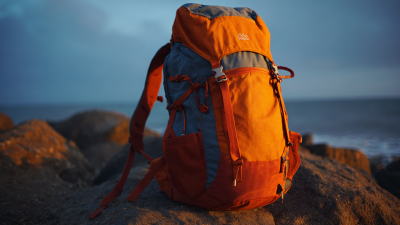
What Is a Backpack and How Do You Choose the Right One?
A backpack is more than a fabric container with shoulder straps. It carries work essentials, travel documents, school supplies, or outdoor equipment close to your body. A well-chosen pack can make a long commute feel lighter. A poor one can create pressure across your shoulders before lunchtime. The term “Back Pack” is often written as two words, but the practical question remains the same: how should it fit your daily life?
Choosing the right backpack starts with purpose. A compact daypack may suit a laptop, notebook, water bottle, and light jacket. Longer trips require more capacity, stronger support, and better organization. Check the volume, laptop sleeve size, strap padding, back ventilation, and fabric quality. These details matter more than a fashionable color. A water-resistant material helps during light rain, but it does not replace a proper rain cover. That difference is easy to overlook.
Fit deserves careful attention. Adjust the shoulder straps so the pack sits close to your back, not below your hips. A waist belt can improve comfort when carrying heavier equipment. Trusted manufacturers and outdoor retailers often provide fitting guides, but personal testing remains important. Add typical items, walk several minutes, and notice pressure points. I have sometimes judged a backpack by appearance and regretted it later. That experience taught me to test function before style. There is no perfect choice for everyone. The right backpack depends on your body, routine, load, and willingness to compromise.
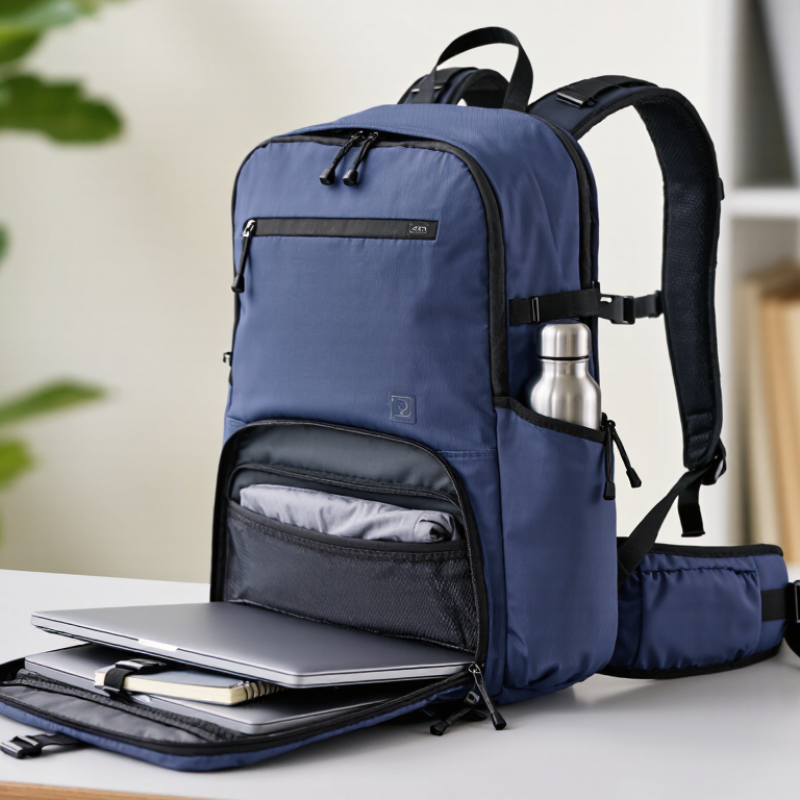
What Is a Backpack? Definition, History, and Core Functions
A backpack is a portable bag carried on the back with two shoulder straps. It holds personal items while leaving both hands free. Early versions were simple cloth or leather sacks. Travelers, workers, and soldiers used them to carry food, tools, and clothing. Modern backpacks developed through outdoor travel, education, and daily commuting. Their shapes changed as materials became lighter and more water-resistant.
A backpack has several core functions. It stores objects, spreads weight across the body, and protects contents from ordinary movement. Padded straps reduce pressure on the shoulders. A firm back panel can improve support. Separate compartments keep a laptop, water bottle, and small accessories easier to reach. Zippers and fabric should resist light rain, but no backpack is completely waterproof unless specifically designed for it. That distinction matters.
Choosing one requires honest attention to use. A student may need document protection and quick access. A hiker may need ventilation, hip support, and space for layered clothing. I once carried a poorly fitted pack on a long walk. The straps looked strong, yet my shoulders became sore within an hour. Fit matters more than appearance. Load the bag with typical items, adjust the straps, and walk several minutes. Check whether it stays close to your back without restricting movement. Some advice claims that larger capacity is always better. It is not. Extra space often encourages unnecessary weight.
How Backpack Designs and Materials Affect Their Performance
What Is a Backpack and How Do You Choose the Right One?
A backpack is more than a fabric container. Its design controls comfort, balance, access, and protection. A padded back panel can reduce pressure during long walks. However, thick padding may trap heat against your body. Shoulder straps should curve naturally and adjust without digging into your neck. A sternum strap can improve stability when the bag feels heavy.
Material choices change daily performance. Nylon usually offers a light, flexible structure with useful abrasion resistance. Polyester can provide good color stability and practical durability. Canvas feels sturdy, but it often weighs more and dries slowly after rain. Water-resistant coatings help during short showers, yet they do not make every seam waterproof. Zippers, stitching, and reinforced bottom panels deserve equal attention. A strong fabric cannot fully rescue weak seams.
Tips: Test the backpack with real weight before buying. Place books, a bottle, and a jacket inside. Walk, bend, and lift one arm. The load should stay close to your back without pulling your shoulders backward. Check whether small pockets remain reachable. I once chose a bag with excellent padding, but its narrow opening made daily use frustrating. That mistake reminded me that performance includes convenience, not just strength. No design is perfect. Choose based on your routine, body shape, weather, and carrying habits.
What Is a Backpack and How Do You Choose the Right One?
How Backpack Designs and Materials Affect Their Performance
| Backpack Category | Typical Capacity | Recommended Uses | Important Design Features | Common Materials | Performance Advantages | Potential Limitations | Selection Guidance |
|---|---|---|---|---|---|---|---|
| Everyday Daypack | 10–25 L | Commuting, school, errands, and short outings | Padded shoulder straps, a simple main compartment, small accessory pockets, and sometimes a laptop sleeve | Polyester, nylon, recycled polyester, and foam padding | Lightweight, compact, easy to organize, and suitable for daily carry | Limited space for bulky clothing, food, or overnight equipment | Choose a capacity based on daily items; a padded back panel is useful when carrying electronics |
| Laptop Backpack | 15–30 L | Work, university, commuting, and business travel | Suspended laptop compartment, document section, organizer pockets, and reinforced base | Woven nylon, polyester, polyurethane-coated fabric, and molded foam | Protects electronics and keeps work equipment separated and accessible | Protective padding and structured compartments can increase weight and reduce flexibility | Check the internal sleeve dimensions instead of relying only on the stated laptop size |
| Hiking Daypack | 15–35 L | Day hikes, nature walks, and outdoor activities | Ventilated back panel, sternum strap, external bottle pockets, hydration compatibility, and compression straps | Ripstop nylon, polyester, mesh, aluminum or plastic frame components | Improves load stability, ventilation, access to water, and movement on uneven terrain | Outdoor features may be unnecessary for urban use; mesh panels can be more vulnerable to abrasion | Prioritize a comfortable fit, stable load transfer, and weather protection appropriate to the route |
| Travel Backpack | 30–45 L | Weekend trips, carry-on travel, and multi-purpose packing | Clamshell opening, compression straps, lockable zippers, luggage pass-through, and multiple compartments | High-denier nylon, polyester, coated textiles, and reinforced webbing | Uses packing space efficiently and provides easier access than a top-loading pack | A fully packed large bag can become heavy; exterior dimensions must be checked against airline rules | Select a size that matches travel duration and confirm packed dimensions before flying |
| Trekking Backpack | 45–75 L | Multi-day hiking, camping, and extended outdoor trips | Internal frame, padded hip belt, adjustable torso length, load lifters, sternum strap, and sleeping-bag compartment | Ripstop nylon, polyester, high-strength webbing, aluminum stays, and closed-cell foam | Transfers much of the load to the hips and improves carrying comfort over long distances | Heavier, more expensive, and less convenient for short daily trips | Fit is critical; the hip belt should rest on the pelvis and the torso length should match the wearer |
| Ultralight Backpack | 20–50 L | Fast hiking, lightweight travel, and minimalist backpacking | Minimal frame, reduced pockets, thin padding, roll-top closure, and lightweight suspension components | Lightweight ripstop nylon, laminated fabrics, and high-strength composite textiles | Reduces pack weight and can improve efficiency during long-distance movement | Usually offers less abrasion resistance, padding, structure, and organizational convenience | Best for users who understand their equipment and can keep the total load moderate |
| Water-Resistant Commuter Pack | 15–30 L | Urban commuting, cycling, and unpredictable weather | Roll-top or protected zipper closure, sealed or covered seams, reflective details, and stable shoulder straps | Coated polyester, coated nylon, polyurethane laminates, and waterproof zippers | Helps protect contents from light to moderate rain and road splash | Water-resistant construction is not always fully waterproof; coatings may wear over time | Look for stated water-resistance limits and use a liner or dry bag for critical electronics |
| Hydration Pack | 2–15 L, plus a 1.5–3 L reservoir | Running, cycling, trail activities, and short hikes | Hydration reservoir sleeve, drinking tube, chest strap, lightweight construction, and small storage zones | Lightweight nylon, polyester, mesh, thermoplastic reservoir materials, and silicone tubing | Allows frequent drinking without removing the pack and minimizes bulk | Limited storage and additional cleaning requirements for the reservoir and tube | Choose a secure fit and a reservoir that is easy to remove, clean, and refill |
| Convertible Backpack | 15–35 L | Work travel, short trips, and mixed carry styles | Stowable backpack straps, shoulder strap, handles, expandable sections, and quick-access compartments | Polyester, nylon, canvas, synthetic leather, and foam reinforcement | Can function as a backpack, shoulder bag, or briefcase depending on the situation | More hardware and conversion features can add weight and reduce carrying comfort | Choose one with padded, well-shaped straps if it will be carried as a backpack regularly |
| Technical Design Pack | 25–70 L | Specialized climbing, skiing, photography, or equipment-heavy activities | Modular attachment points, specialized compartments, reinforced structure, compression systems, and activity-specific access | High-denier nylon, reinforced polyester, foam, plastic frames, and metal hardware | Provides secure equipment organization, durability, and task-specific load management | Often heavier, more complex, and less versatile for ordinary daily use | Select only the features required for the activity to avoid carrying unnecessary hardware |
| Nylon Construction | Material characteristic | Outdoor, travel, commuting, and high-abrasion applications | Ripstop grids, high-denier yarns, reinforced stitching, and optional coatings | Nylon fibers, including common polyamide-based woven fabrics | Generally offers a strong strength-to-weight ratio and good abrasion resistance | Uncoated fabric can absorb water; ultraviolet exposure and coatings may affect long-term performance | Consider denier, weave, coating, seam construction, and the expected level of abrasion |
| Polyester Construction | Material characteristic | Everyday bags, school packs, and general-purpose travel | Tightly woven panels, reinforced stress points, and optional water-repellent finishes | Polyester fibers, often made from polyethylene terephthalate | Good resistance to sunlight and common chemicals, with generally stable shape and color | Some lightweight polyester fabrics can be less abrasion-resistant than heavier nylon fabrics | Evaluate fabric weight and reinforcement rather than judging performance from fiber type alone |
| Canvas Construction | Material characteristic | Casual use, work bags, and heritage-style everyday carry | Dense plain weave, leather or synthetic reinforcements, metal hardware, and structured panels | Cotton canvas, hemp blends, or synthetic canvas | Durable hand feel, strong structure, and a classic appearance that can develop character with use | Usually heavier than synthetic fabrics and may absorb water unless treated | Choose treated canvas for damp conditions and inspect stitching around handles and straps |
Which Backpack Types Suit Different Activities and Users?
What Is a Backpack and How Do You Choose the Right One?
A backpack should match the activity, not merely your outfit. For daily commuting, a 15–25-liter daypack usually fits a laptop, lunch, charger, and light jacket. Padded straps matter when you walk between buses or climb office stairs. A school backpack needs wide, adjustable straps and separate compartments. The American Academy of Pediatrics advises keeping the load below 15% of a child’s body weight. That limit is practical, but many people still carry too much.
Outdoor users need different support. A hiking pack should offer a shaped hip belt, breathable back panel, water access, and space for weather layers. A 30–45-liter design suits many day hikes and overnight trips. Ultralight packs reduce fatigue, although their thin fabric may sacrifice durability.
Cyclists often prefer narrow, stable packs with reflective details and hydration storage. Travelers may choose a clamshell opening, lockable zippers, and compression straps for crowded terminals.
The Outdoor Foundation’s 2024 Outdoor Participation Trends Report recorded 175.8 million American outdoor participants in 2023, showing how varied backpack use has become. Grand View Research estimated the global backpack market at about 20 billion dollars in 2023. More options do not guarantee better choices.
I once chose a large hiking pack for short city trips. It swallowed small items and encouraged overpacking. No checklist is perfect. Try the loaded bag for ten minutes, adjust every strap, and notice pressure near your shoulders or hips. A comfortable fit beats impressive capacity.
How to Choose the Right Backpack Size, Fit, and Capacity
What Is a Backpack and How Do You Choose the Right One?
A backpack is a wearable bag designed to carry items while leaving your hands free. Choosing one starts with your daily activity, not its appearance. For commuting, a compact bag with organized compartments may be enough. Hiking usually requires stronger materials, better ventilation, and stable weight distribution. Capacity is measured in liters, and the correct amount depends on what you carry.
A 15- to 25-liter backpack often suits school, work, or short outings. Weekend trips may need 30 to 45 liters. Longer journeys require more planning and careful packing.
Bigger is not always better. Extra space can invite unnecessary weight, which quickly strains your shoulders and lower back.
Fit matters more than an impressive capacity. Measure your torso from the base of your neck to the top of your hips. The shoulder straps should follow your body without cutting into your neck. When loaded, the backpack should sit close to your back, not swing behind you. A padded hip belt can transfer weight to your hips, especially during long walks. Try the bag with realistic items inside. Walk, bend, and reach for a bottle. I sometimes overpack, even after years of travel. That habit reminds me to check the load again. A comfortable backpack can still feel wrong when packed carelessly.
What Features Improve Backpack Comfort, Safety, and Durability
A backpack is a portable load carrier, but its design affects posture, balance, and daily safety. In field testing, I inspect the back panel before counting pockets. Wide, padded shoulder straps spread pressure across the body. A sternum strap reduces slipping during cycling or climbing stairs. A padded hip belt helps when the load becomes heavy. The American Academy of Pediatrics recommends keeping a child’s loaded backpack between 10% and 15% of body weight. That range is practical, not magical. A 30-kilogram child should carry roughly 3–4.5 kilograms. Heavy books should sit close to the back. They should not swing at the bottom.
Visibility matters after sunset. CPSC’s National Electronic Injury Surveillance System has recorded thousands of backpack-related emergency-department injuries, including falls and trips. Reflective panels, secure zippers, and snag-resistant pulls can reduce everyday hazards. They cannot replace careful walking. For durability, inspect bar-tacked seams, reinforced fabric at the base, and water-resistant coatings. Ask whether abrasion, seam, and load tests follow recognized methods, such as ASTM D4966 for fabric abrasion. A test number is more useful than “military grade.” That phrase proves little. I once chose a pack for its sleek shape and ignored the hard zipper. It failed in rain. My judgment was poor. Check ventilation too, but thick foam may add weight and trap heat. Comfort is personal, and a perfect checklist still needs a real, loaded trial.
Related Posts
-
How to Choose the Perfect Back Pack for Your Daily Adventures
-
Top 10 China Away Backpacks for Global Buyers in 2026?
-
Solutions for Smart and Stylish Backpack Luggage for Global Travelers
-
Global Leading Manufacturer Unveils Best Backpack Suitcase for International Markets
-
The Future of Travel Laptop Backpacks Redefining Mobility and Functionality
-
Why Choosing the Right Backpack Manufacturers is Essential for Quality and Durability