What is a Waterproof Backpack and Why You Need One?

In today's fast-paced world, a waterproof backpack has become essential for many outdoor enthusiasts. According to a 2021 market report by Allied Market Research, the global waterproof backpack market is projected to reach $1.2 billion by 2027, reflecting a growing demand amidst rising outdoor activities. These backpacks offer vital protection against unpredictable weather, ensuring your gear stays dry.

Adventure seekers often face wet conditions while hiking, biking, or traveling. Without proper gear, precious items can be damaged. A waterproof backpack features advanced materials that resist water and are durable. Brands like Patagonia and The North Face lead the market, showcasing the importance of quality in these products.

Despite their benefits, some users may find waterproof backpacks bulky or less stylish than traditional options. This may deter potential buyers. However, choosing the right design can balance practicality and aesthetics. Ultimately, investing in a waterproof backpack enhances your experience, allowing you to enjoy the outdoors with peace of mind.

What is a Waterproof Backpack and Why You Need One?

Definition of a Waterproof Backpack and Its Key Features
What is a Waterproof Backpack and Why You Need One?

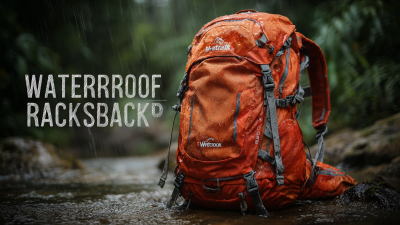
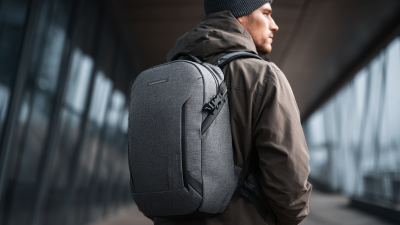
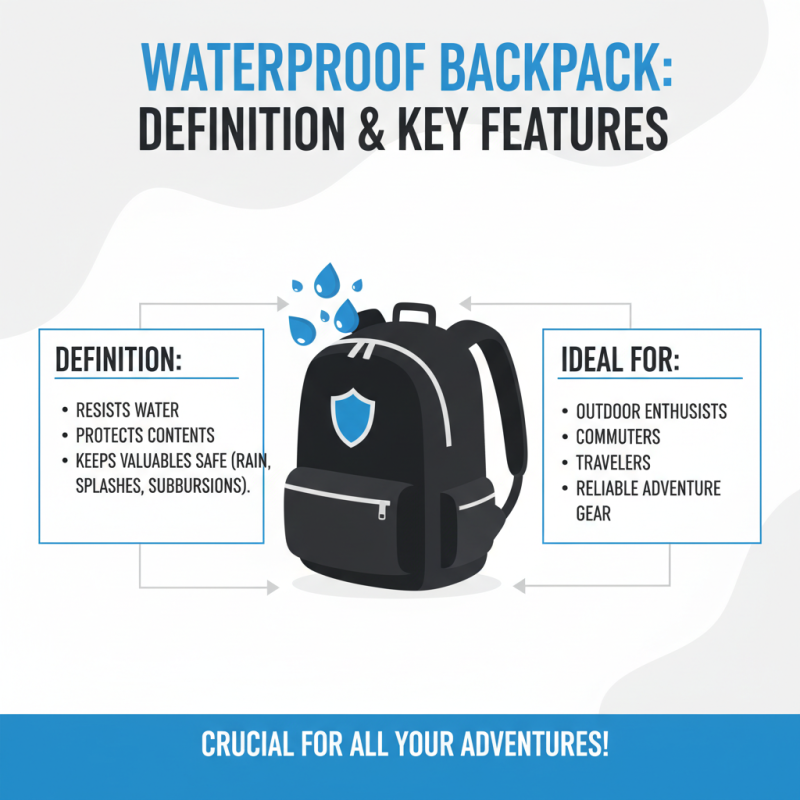
A waterproof backpack is designed to resist water and protect its contents. These bags are essential for outdoor enthusiasts, commuters, and travelers. They keep valuables safe from rain, splashes, and even short submersions. This feature is crucial for those who depend on reliable gear during adventures.

Key features of a waterproof backpack include sealed seams, water-resistant zippers, and specialized materials. Many use nylon or polyester with a waterproof coating. These materials can endure harsh environments. Look for adjustable straps and padded backs, as they enhance comfort and usability.

Despite their advantages, not all waterproof backpacks function perfectly. Some may still allow minor leaks under pressure. Users should consider this when selecting one for intense activities. Ventilation is another area to reflect on. While waterproof designs keep water out, they can trap moisture inside. Balance is key when choosing a backpack for your needs.
Common Materials Used in Waterproof Backpacks and Their Benefits

Waterproof backpacks are essential for those who enjoy outdoor activities. They protect your gear from rain, splashes, and even submersion. Several materials are commonly used to make these backpacks, each offering unique benefits.


One popular option is nylon. This lightweight material is durable and resistant to abrasions. It is often coated with a waterproof layer, enhancing its ability to keep your belongings safe.


Another common material is PVC, known for its strength and complete waterproofing. However, PVC can be heavier and less breathable. For a more eco-friendly choice, look for backpacks made from recycled materials. These options have become increasingly popular in recent years.


Tips: Consider the thickness of the material when choosing a backpack. Thicker fabrics offer better protection but can add weight. Also, pay attention to the seams. Taped seams improve waterproofing but may increase the cost. Remember, even the best backpacks may have limitations. Regular checks for wear and tear can help maintain their performance. A well-cared-for bag will serve you longer on your adventures.

Practical Applications: When and Where to Use a Waterproof Backpack

What is a Waterproof Backpack and Why You Need One?

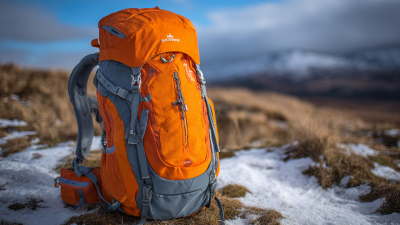
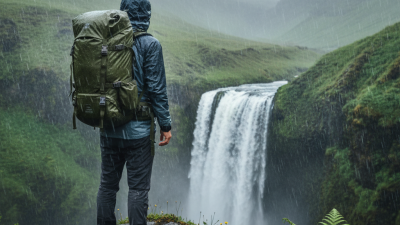
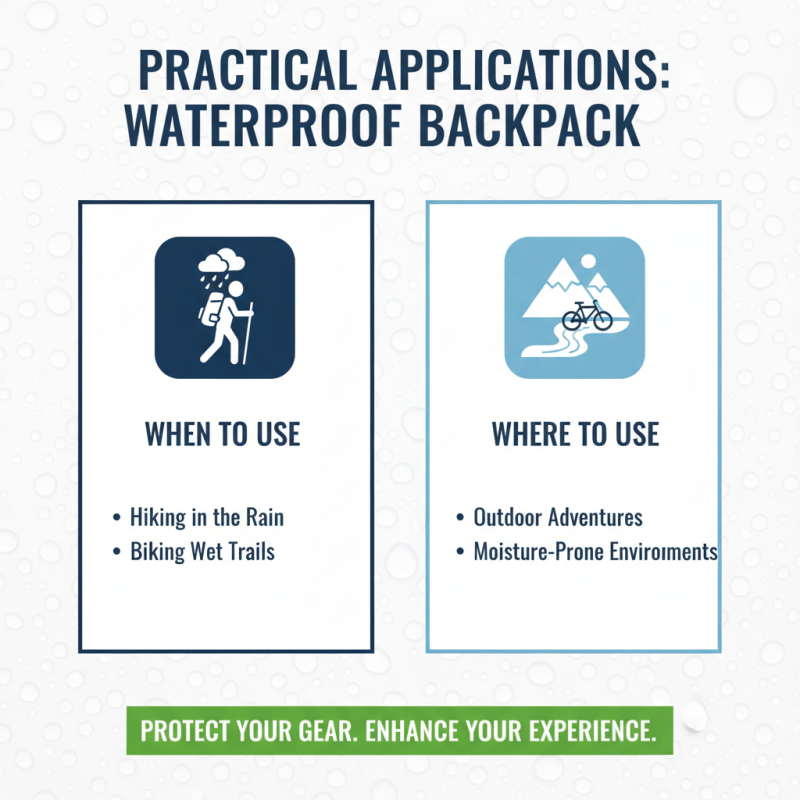
When you’re hiking in the rain or biking along a wet trail, a waterproof backpack is essential. It keeps your gear protected from moisture. This feature is particularly valuable for outdoor enthusiasts. Knowing when and where to use such a backpack can enhance your outdoor experience.

For water sports like kayaking or paddleboarding, a waterproof backpack is crucial. Imagine having your phone and snacks safe while enjoying the waves. It adds convenience and peace of mind. These backpacks are perfect for camping trips, too. Unexpected weather can ruin a trip, but a waterproof option keeps your clothes and equipment dry.

**Tips:** Always check the waterproof rating before purchasing. Look for features like sealed seams and durable material. It’s also wise to pack valuables in dry bags inside your backpack. Test your backpack in light rain before heading out. This helps you understand its limitations. Remember, no product is perfect; managing expectations is key.

Advantages of Choosing a Waterproof Backpack for Outdoor Activities

A waterproof backpack is essential for outdoor enthusiasts. These backpacks are designed to keep your gear dry during unexpected rain showers or water exposure. Choosing a waterproof backpack can greatly enhance your outdoor experience. You won't have to worry about your phone or clothes getting wet. It allows you to focus on your adventure, not your gear.

One major advantage of waterproof backpacks is their durability. They often use high-quality materials that resist wear and tear. This allows the backpack to withstand harsh weather conditions. You can hike, camp, or travel without the worry of damage. However, it's worth noting that not all waterproof backpacks provide full protection. Some may have weak points, especially around seams. Regular checks can help identify potential issues early.

Tips: Always test your backpack in light rain before heading out. Make sure the zippers are secure and seams are tight. This can save you from a soaked gear disaster. Remember, waterproof does not mean invincible. If you expect heavy rain, consider packing a rain cover just in case. Staying prepared enhances your outdoor fun.

Maintenance Tips for Keeping Your Waterproof Backpack in Top Condition

Taking care of your waterproof backpack is essential for longevity. A well-maintained backpack can last years, protecting your gear from moisture and damage. Studies indicate that proper care can increase the lifespan of outdoor gear by up to 30%. Regular cleaning helps prevent the buildup of dirt and grime, which can weaken materials over time.

It's crucial to follow specific maintenance tips. After each use, wipe down your backpack with a damp cloth. This removes water spots and debris. Occasionally, wash it with mild soap to maintain waterproofing. Avoid harsh detergents, as they can degrade the material. Ensure all zippers and seals are functioning well, as waterproofing relies heavily on these components.

Store your backpack in a cool, dry place. Prolonged exposure to sunlight can damage the fabric and make it less effective. If you notice any wear and tear, address it immediately. A small tear can compromise waterproof capabilities. Regular inspections can help catch these issues early, ensuring your gear remains protected. These practices reflect a thoughtful approach to gear maintenance, embodying the care your backpack deserves.